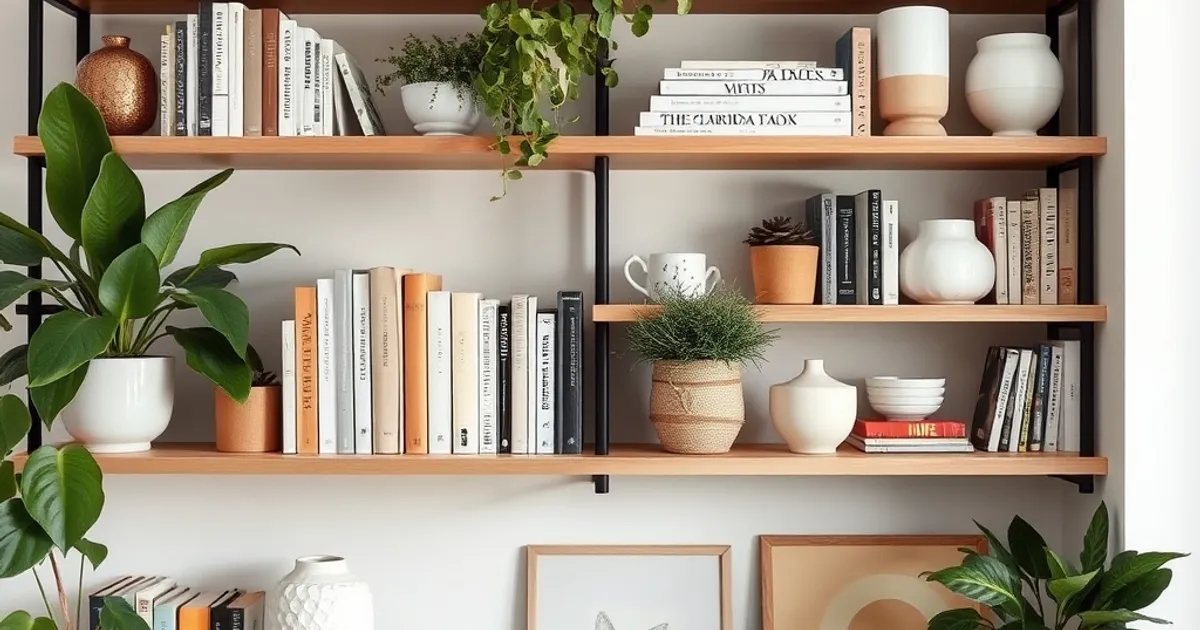
Open shelving has become a popular trend in modern homes, offering both functionality and aesthetic appeal. To style it like a professional, start by curating a cohesive color palette that complements your room’s decor. Group items by height and shape to create visual balance—mix books with decorative objects, plants, and artwork. Avoid clutter by leaving some empty space, which allows each piece to stand out. For kitchens, use baskets or trays to corral small items, maintaining a tidy yet stylish look.
Layering textures and materials is key to achieving a designer-inspired shelf. Combine organic elements like wood, ceramic, and woven baskets with metallic accents for contrast. Vary the sizes of your books, placing taller ones at the back and shorter ones in front. Incorporate personal touches, such as framed photos or travel souvenirs, to add character. Rotate items seasonally to keep the display fresh and engaging. This approach ensures your shelving feels curated rather than chaotic.
Design Principles
Lighting plays a crucial role in highlighting open shelving. Install under-cabinet or LED strip lighting to draw attention to your displays, especially in kitchens or home offices. For decorative pieces, use small spotlights or battery-operated puck lights to create depth. Natural light also enhances the shelf’s visual appeal, so position it near windows if possible. Avoid overcrowding by editing your collection regularly—edit down to your favorite items to maintain a sleek, intentional look.
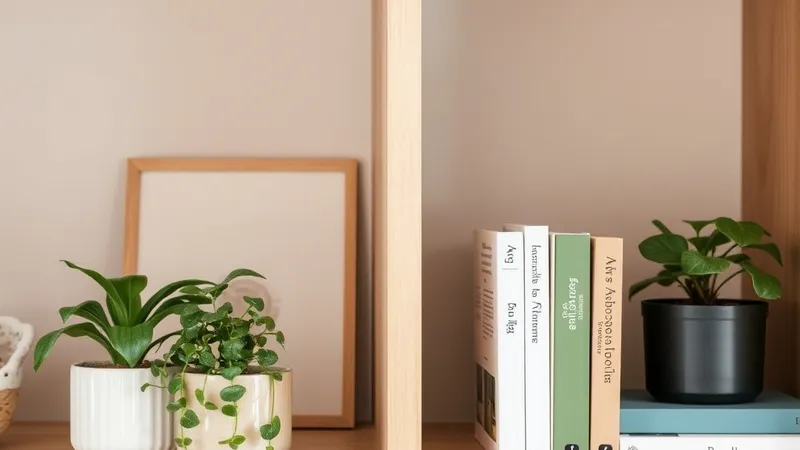
Great home design is about creating spaces that feel both beautiful and functional. This guide provides practical design information to help you love your home.
Practical Tips
Finally, consider the overall composition of your shelving. Use the rule of thirds to place focal points at strategic intervals, creating a balanced and dynamic arrangement. Add greenery, such as small succulents or trailing pothos, to bring life to the space. For a cohesive look, repeat colors or materials throughout the room. Open shelving is a blank canvas—experiment with different layouts until you achieve a style that feels both functional and uniquely yours.