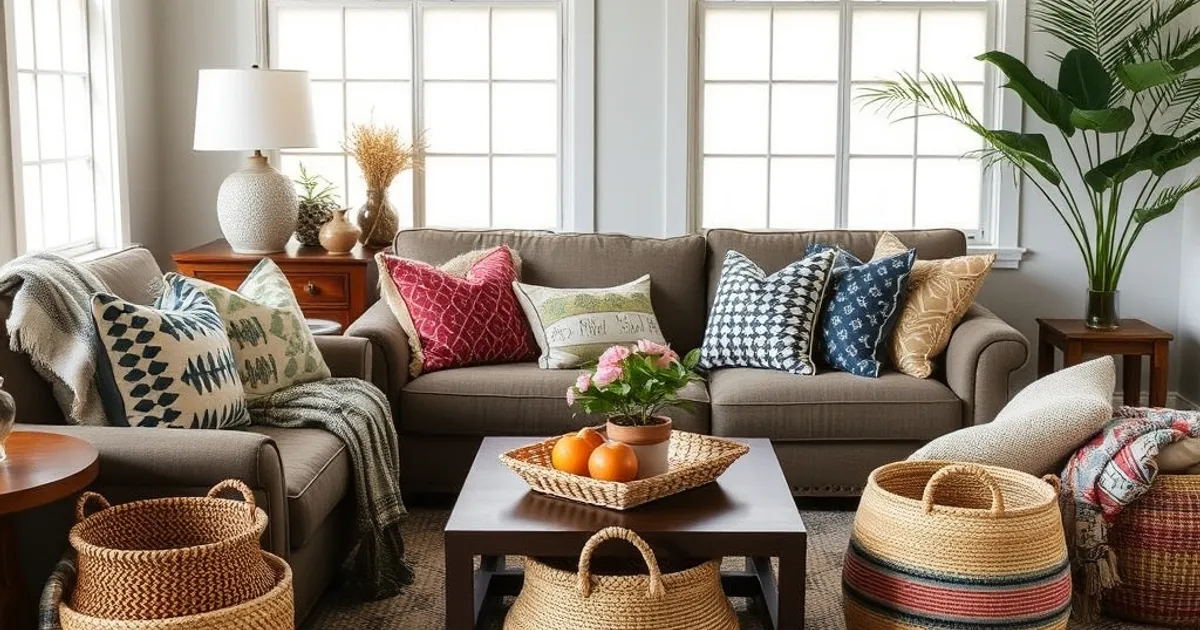
Mixing patterns and textures can transform a room from dull to dynamic, but it requires balance. Start by selecting a dominant pattern as your base, such as a bold floral or geometric print on curtains or a rug. Keep the scale varied—pair large-scale patterns with smaller ones to create visual interest without overwhelming the space. Remember, the key is cohesion, so choose patterns in the same color family or with complementary hues to tie the look together seamlessly.
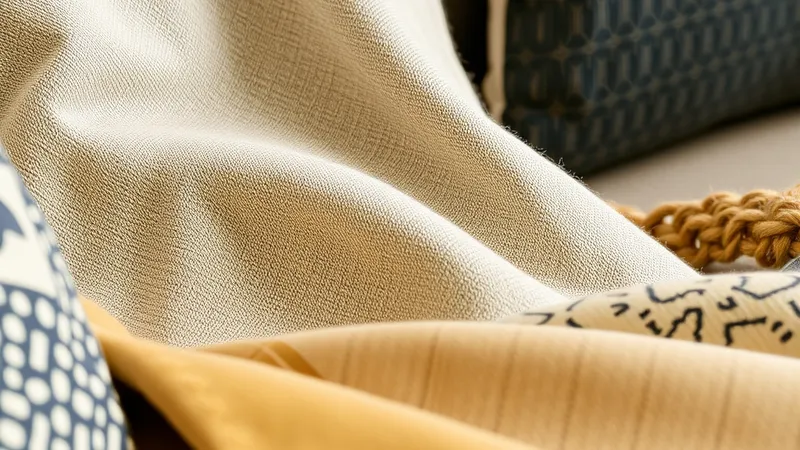
Textures add depth and warmth to a room, making it feel inviting. Combine smooth surfaces like glass or metal with tactile elements like linen, velvet, or woven baskets. For example, a plush velvet sofa paired with a sleek glass coffee table creates a striking contrast. Layer textures gradually, starting with larger items like furniture or rugs before adding smaller decor like throw pillows or blankets. This approach ensures a harmonious yet richly layered design.
Design Principles
When mixing patterns, stick to a consistent color palette to maintain harmony. Use the 60-30-10 rule as a guideline: 60% dominant color, 30% secondary color, and 10% accent color. For instance, if your room features navy blue as the dominant color, incorporate shades of gray and white as secondary colors, with gold or mustard as accents. This rule helps create a balanced and cohesive look while allowing patterns to shine without clashing.
Great home design is about creating spaces that feel both beautiful and functional. This guide provides practical design information to help you love your home.
Practical Tips
Don’t be afraid to experiment, but start small if you’re new to pattern mixing. Begin with subtle patterns in similar scales, like striped pillows on a solid sofa, before venturing into bolder combinations. Use tools like pattern samples or digital design apps to visualize combinations before committing. Over time, you’ll develop an eye for what works, creating spaces that are uniquely yours—full of personality, depth, and visual intrigue.